
The ICC Men's T20 World Cup is a biennial world cup for cricket in Twenty20 International (T20I) format, organised by the International Cricket Council (ICC). It was first played in 2007 in South Africa, and the 2026 tournament marked its tenth edition. The ninth edition, held in 2024 in the West Indies and the United States, was contested by 20 teams, and was won by India, who defeated South Africa in the final.
In November 2021, as part of the 2024–2031 ICC men's hosts cycle, the ICC announced that the 2026 Men's T20 World Cup would be played in India and Sri Lanka. Initially Sri Lanka Cricket proposed to host the entire tournament, however, due to expansion of the tournament to 20 teams from the previous edition and lack of cricket stadiums in Sri Lanka, it was decided to be co-hosted with the Board of Control for Cricket in India (BCCI). Sri Lanka had previously hosted the competition in 2012 and India in 2016.
The tournament's format remained the same as the previous edition. The 20 qualifying teams were divided into four groups of five each. In the group stage, each team played each of the other teams in the group once in a round-robin format, and the top two teams in each group advanced to the Super 8 stage, where the teams were placed into two groups of four teams each. Prior to the tournament, the ICC had announced the eight seeded teams based on the ICC T20I rankings, who were placed in predetermined positions in the Super 8 stage, irrespective of their position in the group stage. If an unseeded team qualified at the expense of a seeded team, it took the position of the corresponding seeded team that failed to qualify from their group. In the Super 8 stage, each team played against each of the other teams in the group once. The top two teams from each group advanced to the knockout stage, which consisted of two semi-finals, the winners of which faced off in the final. No points were carried over between stages.
In the 2023–2027 ICC Men's Future Tours Programme, the tournament was scheduled to be held in February–March 2026. The ICC announced the final schedule on 25 November 2025, with the tournament scheduled to take place from 7 February to 8 March 2026. The teams will play 55 matches across five venues in India and three venues in Sri Lanka. On 26 January 2026, the ICC announced that warm-up matches would be held from 2 to 6 February.
The ICC allocated a pool of $11.25 million in prize money for the tournament. The prize for winning was $2.45 million, with each team receiving an additional $31,154 for each match they won, excluding the semi-finals and final.
| Place | Teams | Amount | |
| per side | Total | ||
| Champions | 1 | $2.45 million | $2.45 million |
| Runners-up | 1 | $1.28 million | $1.28 million |
| Semi-finalists | 2 | $787,500 | $1.575 million |
| 5th–8th place (Super 8) | 4 | $382,500 | $1.53 million |
| 9th–12th place (Group stage) | 4 | $247,500 | $0.99 million |
| 13th–20th place (Group stage) | 8 | $225,000 | $1.8 million |
| Match winners | 52 | $31,154 | $1.62 million |
| Total | 20 | $11.25 million |
In November 2025, former Indian captain Rohit Sharma was named as an ambassador for the tournament. The official theme song for the tournament, "Feel the Thrill", produced and performed by Anirudh Ravichander with lyrics by Heisenberg and Raqueeb Alam, was released on 30 January 2026. A remix version featuring Sri Lankan artist Dinesh Gamage, sub-titled "Tamil Sinhalese version", which replaced Hindi verses with Tamil and Sinhala verses, was released on 7 February. A promotional event, the "Captains' Carnival", featuring all the team captains and social media influencers, was held on 5 February in Mumbai and Colombo. On 6 February, the ICC announced that an opening ceremony would be held at the Wankhede Stadium ahead of the third match of the opening day between India and the United States. Badshah, Nora Fatehi, Rishab Sharma, and Sivamani performed at the opening ceremony.
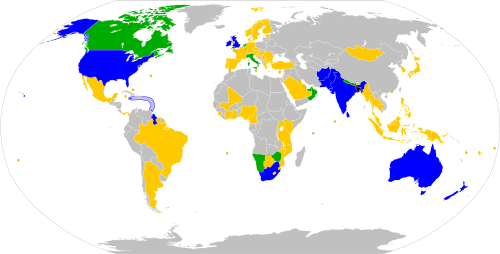
The hosts, India and Sri Lanka, along with the top seven teams from the 2024 tournament: Afghanistan, Australia, Bangladesh, England, South Africa, the United States, and the West Indies; directly qualified for the 2026 tournament. The remaining three direct qualification places were allocated to the next best-ranked teams in the ICC Men's T20I Team Rankings as on 30 June 2024, that had not finished in the top seven: Ireland, New Zealand, and Pakistan. The eight remaining places were filled through the ICC's regional qualifiers, consisting of two teams each from Africa and Europe regions, three teams combined from Asia and East Asia-Pacific and one team from the Americas. In June 2025, Canada qualified for the World Cup from the Americas region, followed by Italy and Netherlands from the Europe region in July. In October 2025, Namibia and Zimbabwe qualified from the Africa region, followed by Nepal, Oman, and United Arab Emirates from the combined Asia-EAP qualifier. Italy qualified for the men's T20 World Cup for the first time. Ahead of the 2026 tournament, Bangladesh withdrew from the tournament, and they were replaced by the next highest ranked T20I team: Scotland.
| Method of qualification | No. of teams | Teams | T20I ranking |
| Hosts | 2 | India | 1 |
| Sri Lanka | 8 | ||
| 2024 Men's T20 World Cup(Top teams from the previous tournament, excluding hosts) | 6 (7) | Afghanistan | 10 |
| Australia | 2 | ||
| Bangladesh | 9 | ||
| England | 3 | ||
| South Africa | 5 | ||
| United States | 18 | ||
| West Indies | 7 | ||
| ICC Men's T20I Team Rankings | 4 (3) | Ireland | 12 |
| New Zealand | 4 | ||
| Pakistan | 6 | ||
| Scotland | 14 | ||
| Americas Qualifier | 1 | Canada | 19 |
| Europe Qualifier | 2 | Italy | 26 |
| Netherlands | 13 | ||
| Africa Qualifier | 2 | Namibia | 15 |
| Zimbabwe | 11 | ||
| Asia–EAP Qualifier | 3 | Nepal | 16 |
| Oman | 20 | ||
| United Arab Emirates | 17 | ||
| Total | 20 |
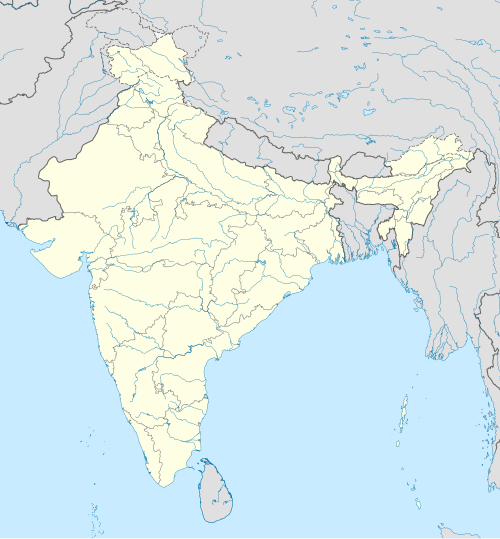
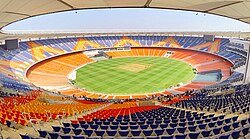
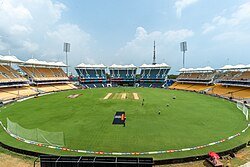
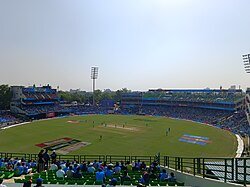
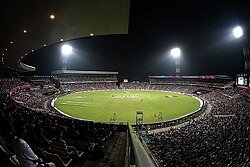
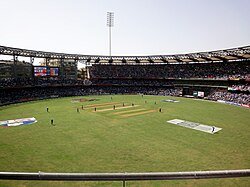
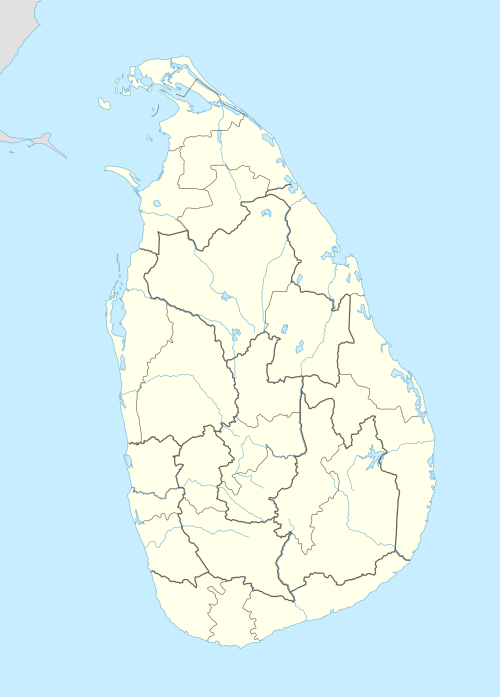
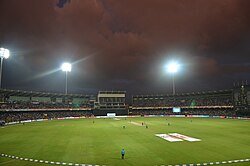
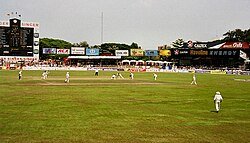
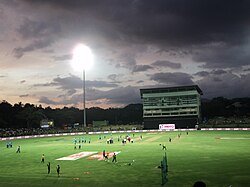
On 6 November 2025, the ICC announced the finalised venues for the World Cup, five in India: Narendra Modi Stadium in Ahmedabad, M. A. Chidambaram Stadium in Chennai, Arun Jaitley Stadium in Delhi, Eden Gardens in Kolkata and Wankhede Stadium in Mumbai; and three in Sri Lanka: R. Premadasa Stadium and Sinhalese Sports Club Cricket Ground in Colombo and Pallekele Cricket Stadium in Kandy.
Each team was allowed a maximum squad size of 15 players and was required to submit the provisional squad to the ICC by 8 January 2026. The teams were allowed to make changes to the squads until 31 January 2026. Any changes after this required permission from the ICC's technical committee.
On 30 January 2026, the ICC released the list of match referees and umpires for the tournament. Dean Cosker , Dave Gilbert , Ranjan Madugalle , Andy Pycroft , Richie Richardson , Javagal Srinath Roland Black , Chris Brown , Kumar Dharmasena , Chris Gaffaney , Adrian Holdstock , Richard Illingworth , Richard Kettleborough , Wayne Knights , Donovan Koch , Jayaraman Madanagopal , Nitin Menon , Sam Nogajski , K. N. Ananthapadmanabhan , Allahudien Paleker , Ahsan Raza , Leslie Reifer , Paul Reiffel , Langton Rusere , Sharfuddoula , Gazi Sohel , Rod Tucker , Alex Wharf , Raveendra Wimalasiri , Asif Yaqoob
A total of 16 warm-up matches were played from 2 to 6 February, involving 18 teams participating in the World Cup in addition to the India A and Sri Lanka A teams. The warm-up matches were held at four venues in India: BCCI Centre of Excellence Grounds 1 & 2 in Bengaluru, M. A. Chidambaram Stadium in Chennai, and DY Patil Stadium in Navi Mumbai; and three in Sri Lanka: Colombo Cricket Club Ground, R. Premadasa Stadium and SSC Cricket Ground in Colombo. Sri Lanka and England played a three-match T20I series from 30 January to 3 February at the Pallekele Cricket Stadium in Kandy as preparation for the World Cup.
| Warm-up matches |
The ICC announced the groups and fixtures on 25 November 2025, with group stage played from 7 to 20 February. The 20 teams were divided into four groups of five with each team facing the other teams in the group. The group stage featured a total of 40 matches. The opening match was played between Netherlands and Pakistan at the SSC Cricket Ground on 7 February. The following table lists teams in order of their initial group stage seedings.
| Group A | Group B | Group C | Group D |
| India , Pakistan , United States , Netherlands , Namibia | Australia , Sri Lanka , Ireland , Zimbabwe , Oman | England , West Indies , Nepal , Italy , Scotland | New Zealand , South Africa , Afghanistan , Canada , United Arab Emirates |
Pakistan won the toss and elected to field. United States won the toss and elected to field. , Mohammad Mohsin and Shubham Ranjane (USA) both made their T20I debuts. , Saurabh Netravalkar (USA) surpassed Sanath Jayasuriya's record for conceding the most runs in a T20 World Cup innings (0–65). , This was India's ninth consecutive win in the T20 World Cup, the longest winning streak in the tournament. , Suryakumar Yadav (Ind) surpassed Virat Kohli's record for the most player of the match awards by an Indian in T20Is (17). Netherlands won the toss and elected to field. , Willem Myburgh (Nam) made his T20I debut. , This was Namibia's maiden international game in India. , Ruben Trumpelmann (Nam) took his 50th wicket in T20Is. United States won the toss and elected to field. , Ehsan Adil (USA) made his T20I debut. , Shaheen Afridi (Pak) played in his 100th T20I match. , Sahibzada Farhan (Pak) scored his 1,000th run in T20Is. Namibia won the toss and elected to field. , Ishan Kishan became the first Indian wicketkeeper to score half-century in the T20 World Cup. , India's extended their record winning-streak in the T20 World Cup to ten consecutive wins. , This was India's largest winning margin in a T20 World Cup match, surpassing their previous winning margin of 90 runs against England in 2012. Netherlands won the toss and elected to field. , This was the largest winning margin in a T20 World Cup match by an associate nation. United States won the toss and elected to bat. , Monank Patel (USA) became the first player for the United States to score 1000 runs in T20Is. , Zane Green (Nam) became the first player to be retired out in the 2026 tournament and second overall in the T20 World Cup history. , Namibia were eliminated as a result of this match. Pakistan won the toss and elected to field. , This was India's highest total against Pakistan in the T20 World Cup history. , This was India's biggest win (by runs) against Pakistan in T20Is. , India's extended their record winning-streak in T20 World Cup to eleven consecutive wins. , This was India's sixteenth consecutive win in ICC limited-overs tournaments, the longest winning streak by any team. , India qualified for the Super 8 as a result of this match. Pakistan won the toss and elected to bat. , Sahibzada Farhan (Pak) scored his maiden century in T20Is. This was the third century in the 2026 tournament and 14th overall in the T20 World Cup history. , This was Pakistan's largest winning margin in a T20 World Cup match, surpassing their previous winning margin of 82 runs against Netherlands in 2009. , Pakistan qualified for the Super 8 while Netherlands and United States were eliminated as a result of this match. India won the toss and elected to bat. , India extended their record winning-streaks in T20 World Cups to 12 consecutive matches, and 17 in ICC limited-overs tournaments.
| Pos | Team | Pld | W | L | NR | Pts | NRR | Qualification |
| 1 | India (H) | 4 | 4 | 0 | 0 | 8 | 2.500 | Advanced to the Super 8 stage |
| 2 | Pakistan | 4 | 3 | 1 | 0 | 6 | 0.976 | |
| 3 | United States | 4 | 2 | 2 | 0 | 4 | 0.788 | Eliminated |
| 4 | Netherlands | 4 | 1 | 3 | 0 | 2 | −1.217 | |
| 5 | Namibia | 4 | 0 | 4 | 0 | 0 | −3.108 |
| Match 1 7 February 2026 (2026-02-07) 11:00 UTC+5:30 Scorecard |
| Netherlands 147 (19.5 overs) | v | Pakistan148/7 (19.3 overs) |
| Scott Edwards 37 (29) Salman Mirza 3/24 (3.5 overs) | Sahibzada Farhan 47 (31) Paul van Meekeren 2/20 (4 overs) |
| Pakistan won by 3 wickets Sinhalese Sports Club Cricket Ground, Colombo Attendance: 5,000 Umpires: Kumar Dharmasena (SL) and Wayne Knights (NZ) Player of the match: Faheem Ashraf (Pak) |
| Match 3 7 February 2026 (2026-02-07) 19:00 UTC+5:30 (N) Scorecard |
| India 161/9 (20 overs) | v | United States132/8 (20 overs) |
| Suryakumar Yadav 84* (49) Shadley van Schalkwyk 4/25 (4 overs) | Shubham Ranjane 37 (22) Mohammed Siraj 3/29 (4 overs) |
| India won by 29 runs Wankhede Stadium, Mumbai Attendance: 28,726 Umpires: Paul Reiffel (Aus) and Rod Tucker (Aus) Player of the match: Suryakumar Yadav (Ind) |
| Match 10 10 February 2026 (2026-02-10) 11:00 UTC+5:30 Scorecard |
| Namibia 156/8 (20 overs) | v | Netherlands159/3 (18 overs) |
| Jan Nicol Loftie-Eaton 42 (38) Logan van Beek 2/13 (3 overs) | Bas de Leede 72* (48) Bernard Scholtz 1/27 (4 overs) |
| Netherlands won by 7 wickets Arun Jaitley Cricket Stadium, New Delhi Umpires: Adrian Holdstock (SA) and Langton Rusere (Zim) Player of the match: Bas de Leede (Ned) |
| Match 12 10 February 2026 (2026-02-10) 19:00 UTC+5:30 (N) Scorecard |
| Pakistan 190/9 (20 overs) | v | United States158/8 (20 overs) |
| Sahibzada Farhan 73 (41) Shadley van Schalkwyk 4/25 (4 overs) | Shubham Ranjane 51 (30) Usman Tariq 3/27 (4 overs) |
| Pakistan won by 32 runs Sinhalese Sports Club Cricket Ground, Colombo Umpires: Richard Illingworth (Eng) and Raveendra Wimalasiri (SL) Player of the match: Sahibzada Farhan (Pak) |
| Match 18 12 February 2026 (2026-02-12) 19:00 UTC+5:30 (N) Scorecard |
| India 209/9 (20 overs) | v | Namibia116 (18.2 overs) |
| Ishan Kishan 61 (24) Gerhard Erasmus 4/20 (4 overs) | Louren Steenkamp 29 (20) Varun Chakravarthy 3/7 (2 overs) |
| India won by 93 runs Arun Jaitley Cricket Stadium, New Delhi Umpires: Paul Reiffel (Aus) and Rod Tucker (Aus) Player of the match: Hardik Pandya (Ind) |
| Match 21 13 February 2026 (2026-02-13) 19:00 UTC+5:30 (N) Scorecard |
| United States 196/6 (20 overs) | v | Netherlands103 (15.5 overs) |
| Saiteja Mukkamalla 79 (51) Bas de Leede 3/37 (4 overs) | Bas de Leede 23 (17) Harmeet Singh Baddhan 4/21 (4 overs) |
| United States won by 93 runs M. A. Chidambaram Stadium, Chennai Attendance: 18,955 Umpires: K. N. Ananthapadmanabhan (Ind) and Nitin Menon (Ind) Player of the match: Harmeet Singh Baddhan (USA) |
| Match 26 15 February 2026 (2026-02-15) 15:00 UTC+5:30 (D/N) Scorecard |
Ireland won the toss and elected to field. Zimbabwe won the toss and elected to field. , This was the first time Oman and Zimbabwe faced each other in T20Is. Australia won the toss and elected to bat. Oman won the toss and elected to field. , This was the first time Oman and Sri Lanka faced each other in T20Is. , Dasun Shanaka scored the fastest half-century (19 balls) in T20Is for Sri Lanka and equalled with Rohit Sharma for the fastest half-century by a captain in the T20 World Cup. , Mohammad Nadeem (Oma) became the oldest player (43 years and 161 days) to score a half-century in a Men's T20 World Cup. Australia won the toss and elected to field. , Blessing Muzarabani became the third player for Zimbabwe to take 100 wickets in T20Is. Oman won the toss and elected to field. , Aamir Kaleem (Oma) became the oldest player (44 years and 86 days) to score a half-century in a Men's T20 World Cup, surpassing Mohammad Nadeem. , Oman were eliminated as a result of this match. Sri Lanka won the toss and elected to field. , Pathum Nissanka became the second player from Sri Lanka to score a century in T20 World Cup and the second Sri Lankan to score 2,500 T20I runs. This was the first century in the 2026 tournament and 12th overall in the T20 World Cup history. , This was the highest successful run chase by Sri Lanka in T20 World Cups. , Sri Lanka qualified for the Super 8 as a result of this match. No toss. , No play was possible due to rain. , Zimbabwe qualified for the Super 8 while Australia and Ireland were eliminated as a result of this match. Sri Lanka won the toss and elected to bat. Australia won the toss and elected to field. , Glenn Maxwell (Aus) took his 50th wicket in T20Is.
Scotland won the toss and elected to field. , Oliver Davidson (Sco) made his T20I debut. , Tom Bruce played his first T20I for Scotland after having previously played 17 T20Is for New Zealand, becoming the 24th cricketer to represent two international teams in T20Is. , Shimron Hetmyer (WI) broke Chris Gayle's record of the fastest half-century by a West Indies batter in the T20 World Cup (22 balls). , Jason Holder (WI) became the first player for West Indies to take 100 wickets in T20Is. , Romario Shepherd (WI) took his second hat-trick and maiden five-wicket haul in T20Is and the 13th overall in T20 World Cups. This was the first hat-trick in this edition and overall the tenth in the T20 World Cup. England won the toss and elected to bat. , This was the first time England and Nepal faced each other in T20Is. , Sher Malla (Nep) made his T20I debut. He became the second Nepali player and the 30th player overall to take a wicket with his first ball in T20Is. , Dipendra Singh Airee (Nep) became the first Nepali cricketer to score 2,000 runs in T20Is. , This was Nepal's highest-ever innings total in the T20 World Cup (180). Italy won the toss and elected to field. , Italy made their T20 World Cup debut. , This was Scotland's highest innings total in the T20 World Cup (207). This was also the highest score made by an associate nation in the tournament. England won the toss and elected to field. Italy won the toss and elected to field. , This was the first time Italy and Nepal faced each other in T20Is. , This was the first World Cup match victory for Italy across all formats. , This was Italy's first 10-wicket win in T20Is and the eighth overall in T20 World Cups. England won the toss and elected to field. , Jos Buttler (Eng) played in his 150th T20I match and scored his 4,000th run in T20Is. , Jofra Archer (Eng) took his 50th wicket in T20Is. , This was England's maiden victory against a European country in T20 World Cups. West Indies won the toss and elected to field. , West Indies qualified for the Super 8 while Nepal were eliminated as a result of this match. England won the toss and elected to bat. , This was the first time England and Italy faced each other in T20Is. , England qualified for the Super 8 while Italy and Scotland were eliminated as a result of this match. Nepal won the toss and elected to field. , This was Nepal's first win in a T20 World Cup match after 12 years. Italy won the toss and elected to field. , Jason Holder (WI) played in his 300th international match.
Afghanistan won the toss and elected to bat. , Gulbadin Naib (Afg) scored his 1,000th run in T20Is. , Tim Seifert (NZ) scored his 2,000th run in T20Is. , This was New Zealand's highest run chase in the T20 World Cup. Canada won the toss and elected to field. , This was the first time South Africa and Canada faced each other in T20Is. United Arab Emirates won the toss and elected to bat. , Muhammad Waseem and Alishan Sharafu's 107-run partnership is the highest for any wicket by the UAE in the T20 World Cup. , This was the UAE's highest innings total in the T20 World Cup (173). , Tim Seifert and Finn Allen (NZ) both hit their 100th six in T20Is. , Tim Seifert and Finn Allen's 175-run partnership was the highest partnership ever in the T20 World Cup. , This was New Zealand's fourth 10-wicket win in T20Is and the seventh overall in T20 World Cups. Afghanistan won the toss and elected to field. , Super Over: Afghanistan 17/0, South Africa 17/1. , Second Super Over: South Africa 23/0, Afghanistan 19/2. Canada won the toss and elected to bat. , Junaid Siddique (UAE) took his maiden five-wicket haul in T20Is and the 14th overall in T20 World Cups. South Africa won the toss and elected to field. , Quinton de Kock (SA) became the first South African to score 3,000 runs in T20Is. , Aiden Markram scored the fastest half-century (19 balls) for South Africa in the T20 World Cup and equalled with Rohit Sharma and Dasun Shanaka for the fastest half-century by a captain in the T20 World Cup. Afghanistan won the toss and elected to field. , Rashid Khan (Afg) took his 700th wicket in the T20 format, the first cricketer to achieve this milestone. , South Africa qualified for the Super 8 as a result of this match. Canada won the toss and elected to bat. , This was the first time Canada and New Zealand faced each other in T20Is. , Yuvraj Samra and Dilpreet Bajwa's 116-run partnership is the highest for any wicket by Canada in the T20 World Cup. , Yuvraj Samra became the first Canadian player, the first player from an Associate nation and the youngest player from any nation to score a century in a T20 World Cup. This was the second century in the 2026 tournament and 13th overall in the T20 World Cup history. , New Zealand qualified for the Super 8 while Afghanistan, United Arab Emirates and Canada were eliminated as a result of this match. South Africa won the toss and elected to field. Canada won the toss and elected to field.
The top two teams from the four groups advanced to the Super 8 stage, where they were divided into two groups of four teams each. In the Super 8 stage, each team played the others in their respective group in a round-robin format, with the top two teams from each group advancing to the semifinals. Prior to the tournament, eight teams were pre-seeded for the Super 8 stage based on the T20I rankings at the time: Australia, India, South Africa, and the West Indies in Group 1; England, New Zealand, Pakistan, and Sri Lanka in Group 2. Australia did not qualify for the Super 8 stage, and their place was taken by Zimbabwe. Due to the pre-seeding, all of the group stage winners ended up in Group 1, and all the runners-up in Group 2. The ICC faced criticism for its pre-seeding system with critics also commenting that its tournaments have always been similarly unfair. The ICC replied that the pre-seedings were made to enable fans to safely arrange travel for their team's games.
South Africa won the toss and elected to bat. , South Africa broke India's record 12-match win streak in T20 World Cups. , This was India's first loss at an ICC limited-overs competition since the 2023 Cricket World Cup final. , This was India's largest loss margin (by runs) in the history of T20 World Cup. , Jasprit Bumrah broke Ravichandran Ashwin's record for most wickets taken by an Indian in the T20 World Cup. Zimbabwe won the toss and elected to field. , Shimron Hetmyer (WI) scored the fastest half-century (19 balls) for West Indies in T20Is. , West Indies recorded the second highest total in the T20 World Cup. , Brad Evans and Richard Ngarava (Zim) recorded the highest partnership for the 10th wicket in the T20 World Cup. South Africa won the toss and elected to field. , Jason Holder and Romario Shepherd (WI) recorded the highest partnership for the 8th wicket in T20Is. Zimbabwe won the toss and elected to field. , Suryakumar Yadav (Ind) completed 4,000 international runs during the match. , India recorded their highest total and the second highest total by any team in the T20 World Cup. , South Africa qualified for their second consecutive and overall fourth T20 World Cup semi-final while Zimbabwe were eliminated as a result of this match. Zimbabwe won the toss and elected to bat. , Lungi Ngidi became the first South African cricketer to take 90 wickets in T20Is. India won the toss and elected to field. , This was India's highest successful run-chase in the T20 World Cup. , India qualified for their third consecutive and overall sixth T20 World Cup semi-final while West Indies were eliminated as a result of this match.
Pakistan won the toss and elected to bat. , No play was possible due to rain. , This was the 50th T20I game between New Zealand and Pakistan. , Daryl Mitchell (NZ) played in his 100th T20I match. Sri Lanka won the toss and elected to field. Pakistan won the toss and elected to bat. , Shadab Khan (Pak) scored his 1,000th run in T20Is. He also became the first cricketer from Pakistan to score 1,000 runs and take 100 wickets in T20Is. , Harry Brook (Eng) scored his maiden century in T20Is. He also became the first captain to score a century in the T20 World Cup. This was the fourth century in the 2026 tournament and 15th overall in the T20 World Cup history. , England qualified for their fifth consecutive and overall sixth T20 World Cup semi-final as a result of this match. Sri Lanka won the toss and elected to field. , Mitchell Santner (NZ) scored his 1,000th run in T20Is. He also became the first cricketer from New Zealand to score 1000 runs and take 100 wickets in T20Is. , Sri Lanka were eliminated as a result of this match. New Zealand won the toss and elected to bat. , Matt Henry (NZ) took his 50th wicket in T20Is. , Will Jacks (Eng) equalled Shane Watson's 2012 record for the most player of the match awards by a player in a single edition of the T20 World Cup (4). Sri Lanka won the toss and elected to field. , Sahibzada Farhan and Fakhar Zaman's 176-run partnership for Pakistan was the highest partnership ever in the T20 World Cup. , Sahibzada Farhan (Pak) broke Virat Kohli's 2014 record for most runs scored in a single edition of the T20 World Cup (383 runs). He also became the first batsman to score two centuries in a single edition of the T20 World Cup. This was the fifth century in the 2026 tournament and 16th overall in the T20 World Cup history. , Abrar Ahmed (Pak) took his 50th wicket in T20Is. , Dasun Shanaka became the first Sri Lankan to hit 100 sixes in T20Is and the first captain to score 20 sixes in the T20 World Cup. He also broke Kusal Perera's 2017 record for most sixes in a T20I innings for Sri Lanka (8 sixes). , New Zealand qualified for their fifth T20 World Cup semi-final while Pakistan were eliminated as a result of this match.
The knockout stage consisted of two semi-finals played on 4 and 5 March, and the final on 8 March. Both semi-finals and the final had a reserve day available on 5, 6, and 9 March respectively. If a reserve day had come into play, the match would not have been restarted but instead resumed from the previous day's play, if there was any; with the semi-finals commencing at 15:00 and final at 19:00 (both UTC+05:30). In the event of no minimum play (at least 10 overs per side) on the scheduled day and the reserve day, in the semi-finals, the team that finished higher in the Super 8 stage would progress to the final, and if no play were possible in the final, the teams would be declared as joint-winners. If any match ended in a tie, a Super Over would be used to determine the winner. If the scores in the Super Over were also tied, subsequent Super Overs would be played until there was a result. The first semi-final and the final were scheduled to be held at Eden Gardens in Kolkata and Narendra Modi Stadium in Ahmedabad respectively, but both would have been moved to the R. Premadasa Stadium in Colombo if Pakistan had qualified. The second semi-final was held at the Wankhede Stadium in Mumbai. If either India or Sri Lanka qualified, and Pakistan failed to, they would have played in the first and second semi-finals, respectively. If Sri Lanka was not playing India, the first semi-final would be held in Colombo well. Otherwise, the winner of Group 1 and the runner-up of Group 2 would play in the first semi-final, while, the winner of Group 2 and the runner-up of Group 1 would play in the second.
New Zealand won the toss and elected to field. , Finn Allen broke Glenn Phillips's record for the fastest half-century by a New Zealand batter in the T20 World Cup. , Finn Allen (NZ) scored the fastest century in the T20 World Cup and became the first player to score a century in T20 World Cup knockouts. This was the sixth century in the 2026 tournament and 17th overall in the T20 World Cup. , New Zealand qualified for their second T20 World Cup final.
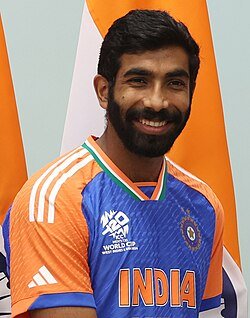
Sahibzada Farhan of Pakistan scored the most runs in the 2026 tournament (383 runs from 6 innings). This was also the most runs in a single T20 World Cup, surpassing Virat Kohli's 2014 record. A total of seven centuries were scored in the 2026 tournament surpassing the previous high of two in a single edition of T20 World Cup (2010, 2014, 2016 and 2022). Jasprit Bumrah and Varun Chakravarthy of India both took 14 wickets each and were tied for the most wickets in the 2026 tournament.
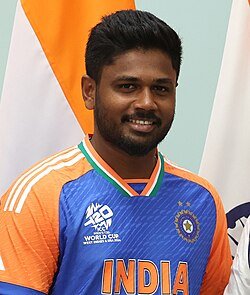
On 9 March, the ICC announced its team of the tournament with Sanju Samson being named as player of the tournament and Aiden Markram as the captain of the team.
After the Bangladeshi cricketer Mustafizur Rahman was released by the Kolkata Knight Riders, on the BCCI's request, from the 2026 Indian Premier League squad, on 3 January 2026, the Bangladesh Cricket Board (BCB) requested for Bangladesh's matches at the World Cup to be moved from India, citing security reasons. Officials from the ICC met with members of the BCB to try and find a solution to the issue. On 6 January, ESPNcricinfo reported that the ICC rejected the BCB's request and Bangladesh would forfeit points if they refused to play. A day later, the BCB denied this, stating, "the ICC has conveyed its willingness to work closely with the BCB to address concerns". On 12 January, media reported that the Tamil Nadu Cricket Association and the Kerala Cricket Association offered to host the matches at M. A. Chidambaram Stadium at Chennai and Greenfield International Stadium at Thiruvananthapuram respectively instead of Eden Gardens and Wankhede Stadium in India. The same day, the ICC refused Bangladesh's security assessment, stating that "there was no overall threat to the " and that there was "low to moderate risks [to the team] in some venues and low to nil in others". A day later, the BCB reiterated its request to move Bangladesh's matches outside of India citing security concerns. On 17 January, the BCB requested to swap groups with Ireland, who were scheduled to play their matches in Sri Lanka, which was rejected by the ICC. On 18 January, the ICC announced that the final decision on the matter would be taken after the board meeting scheduled on 21 January. Following the meeting on 21 January, the ICC refused to shift Bangladesh's matches, and offered a revised deadline of one day for the BCB to decide on the participation. The next day, the BCB reiterated their refusal to play in India. On 24 January, the ICC officially announced that Bangladesh would be replaced by Scotland, the next highest ranked team in the ICC T20I rankings, who had not qualified for the tournament. In a press release issued on 9 February 2026, the ICC stated that no financial, sporting, or administrative penalty would be imposed on the BCB with regards to its withdrawal from the tournament. It also said that the BCB have the right to appeal against the same as per existing ICC regulations, and Bangladesh would be given the hosting rights to an ICC event in the 2028–2031 events cycle.
On 1 February, the Pakistani government allowed its cricket team to participate in the World Cup but directed the team not to play its match against India on February 15. While the PCB did not officially communicate the decision to the ICC, it was reportedly taken in protest against the ICC's refusal to relocate Bangladesh's matches out of India. The ICC warned the PCB of possible sanctions for a potential boycott of the match against India. Following discussions between the ICC, PCB and BCB, on 9 February, the Pakistan government announced that it was directing the team to take part in the match against India. During the India–Pakistan match on the 15 February 2026, there was no handshake between the Indian captain Suryakumar Yadav and the Pakistani captain Salman Ali Agha, which typically happens during coin tosses, and among players after the match is concluded. This policy has continued since the 2025 Asia Cup, due to the Pahalgam terror attack and the 2025 India–Pakistan conflict. However, this is the first time this has occurred in an ICC tournament.
In April 2026, it was reported that the Canadian captain Dilpreet Bajwa had been interviewed by the ICC anti-corruption unit in relation to a possible match-fixing during Canada's first-round game against New Zealand, including the bowling of a deliberate no-ball. The Fifth Estate, a Canadian Broadcasting Corporation program, alleged that Bajwa had links with the Bishnoi Gang, an Indian organised crime outfit, which reportedly had infiltrated Cricket Canada and facilitated Bajwa's rise to the captaincy. Following publication of the report, the ICC froze funding to Cricket Canada. In June 2026, the ICC suspended Cricket Canada's membership, with the national teams continuing to function under the ICC's direct oversight.
JioStar handled the global broadcasting rights as part of its deal with the ICC, and the global broadcasters for the tournament were confirmed by the ICC on 5 February 2026. The matches were broadcast across more than 80 territories. The matches were also broadcast through ICC.tv and the ICC's official YouTube channel. JioHotstar provided a vertical live feed along with 360 degree view and multi-camera features. The ICC partnered with American sports podcaster Jomboy to provide an alternate commentary feed for American viewers.
The ICC released the following list of commentators for the tournament on 6 February 2026. Roshan Abeysinghe , Wasim Akram , Russel Arnold , Michael Atherton , Samuel Badree , Temba Bavuma , Harsha Bhogle , Ian Bishop , Carlos Brathwaite , Simon Doull , Aaron Finch , Sunil Gavaskar , Natalie Germanos , Matthew Hayden , Mark Howard , Nasser Hussain , Raunak Kapoor , Dinesh Karthik , Athar Ali Khan , Bazid Khan , Nick Knight , Andrew Leonard , Katey Martin , Angelo Mathews , Mpumelelo Mbangwa , Preston Mommsen , Eoin Morgan , Danny Morrison , Kass Naidoo , Niall O'Brien , Shaun Pollock , Ramiz Raja , Kumar Sangakkara , Ravi Shastri , Ian Smith , Dale Steyn , Robin Uthappa , Ian Ward , Alan Wilkins , Waqar Younis
The semi-final 2 between India and England had a peak of 65.2 million concurrent viewers and a total of 619 million views, becoming the most watched T20 match, surpassing 2024 Men's T20 World Cup final. The final match had a peak of 72.5 million concurrent viewers.
Source: Wikipedia